
Today Petrol Rate In Pakistan 2026
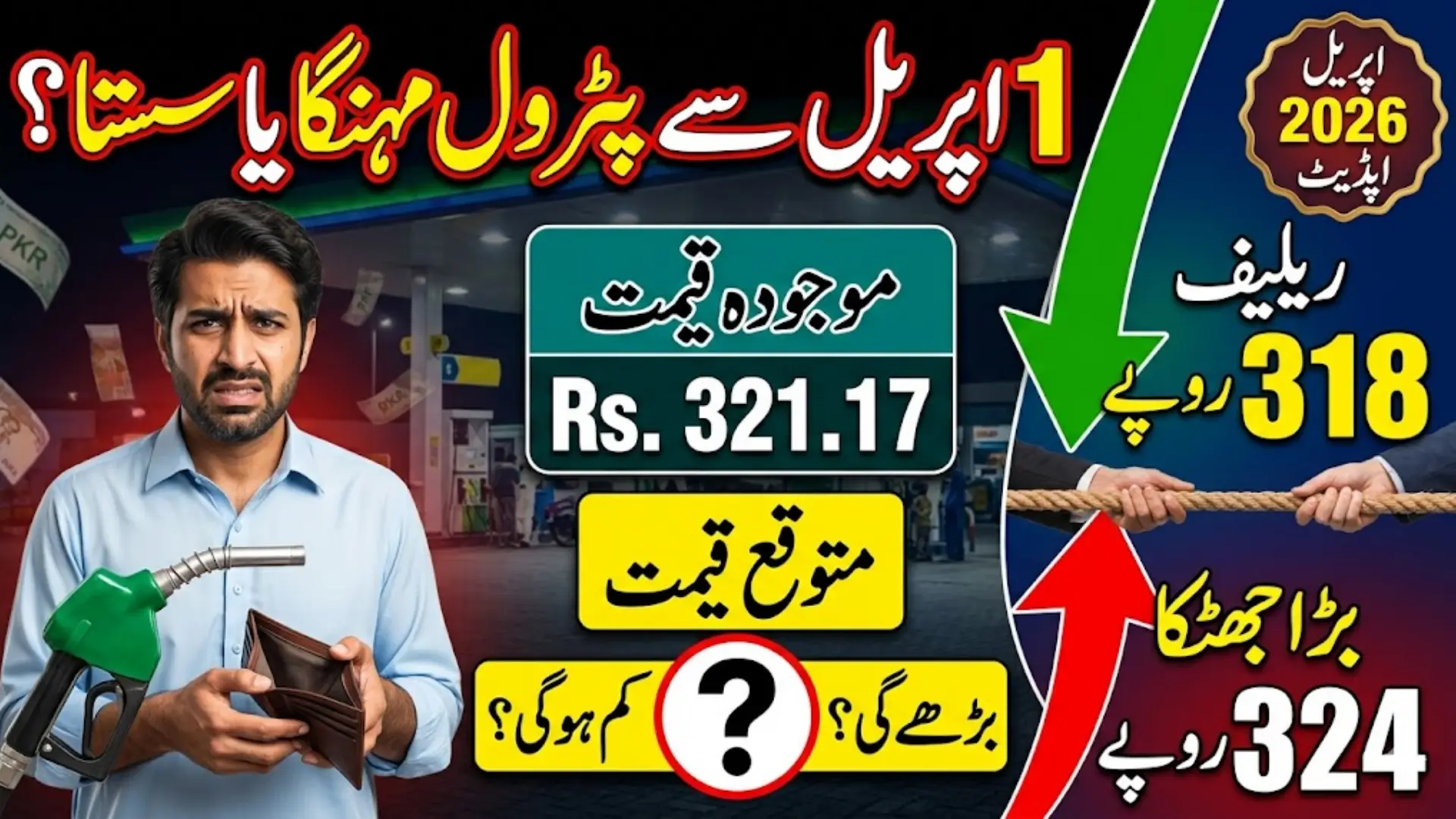
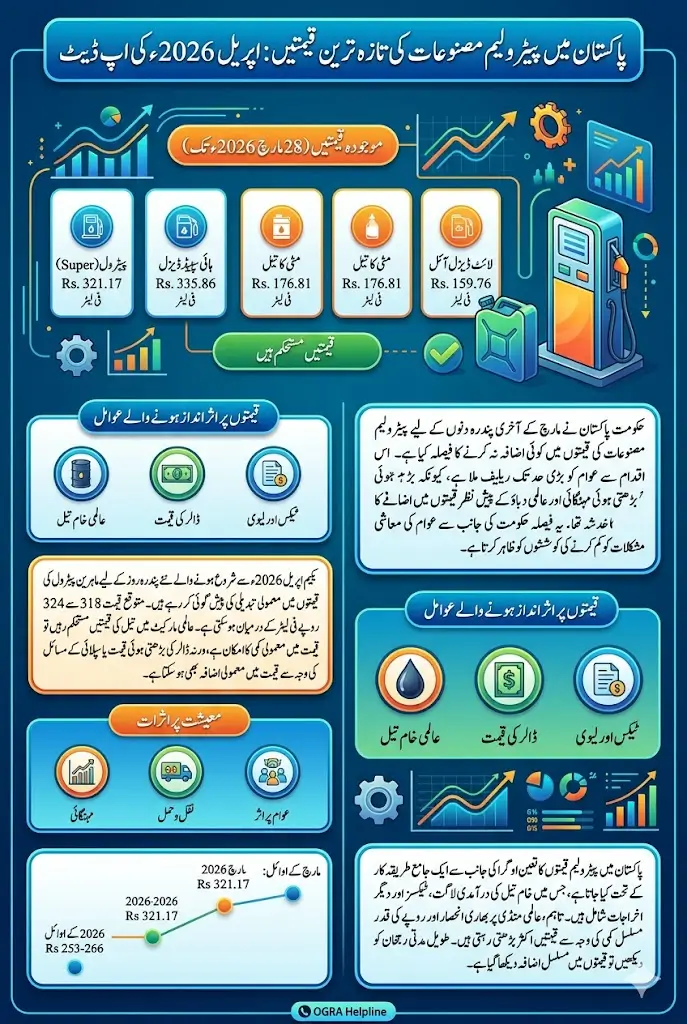
Today Petrol Rate In Pakistan 2026 As of 28 March 2026, the government has decided to keep petroleum prices unchanged for the current fortnight. The petrol price in Pakistan is Rs. 321.17 per litre, while High-Speed Diesel (HSD) stands at Rs. 335.86 per litre. This decision came as a relief for the public because many were expecting another increase due to global oil market pressure.
From what I have observed, the government is trying to balance public relief with economic pressure. Even though international oil prices are fluctuating, the authorities have chosen a “no change” policy for now. This clearly shows that the government is cautious and does not want to burden citizens further at this moment.
- Petrol price: Rs. 321.17 per litre
- High-Speed Diesel: Rs. 335.86 per litre
- Kerosene oil: Rs. 176.81 per litre
- Light Diesel Oil: Rs. 159.76 per litre
- No change in current prices
You Can Also Read: Punjab Govt Announces New School Timings 2026
Complete Breakdown of Petroleum Prices in Pakistan
To make things easier for readers, here is a simple table showing the latest petrol and diesel prices in Pakistan. This helps you quickly understand what has changed and what has remained the same.
| Fuel Type | Old Price (PKR) | New Price (PKR) | Difference |
|---|---|---|---|
| Petrol (Super) | 321.17 | 321.17 | 0.00 |
| High-Speed Diesel | 335.86 | 335.86 | 0.00 |
| Light Diesel Oil | 159.76 | 159.76 | 0.00 |
| Kerosene Oil | 176.81 | 176.81 | 0.00 |
This stability in prices shows that the government has temporarily absorbed pressure instead of transferring it to the public. However, such stability is usually short-term and depends heavily on international market trends.
You Can Also Read: Apna Khet Apna Rozgar Program 2026 Registration
Different Types of Fuel Used in Pakistan
Pakistan uses multiple types of petroleum products depending on needs. Petrol (Super) is the most common and is widely used in motorcycles and cars. Diesel, on the other hand, powers heavy vehicles like buses, trucks, and agricultural machinery.
Apart from these, kerosene oil is still used in rural areas for small equipment and heating. LPG and CNG are also popular alternatives, especially where natural gas supply is limited.
- Petrol (Super): Used in bikes and cars
- High-Speed Diesel: Used in trucks and buses
- Light Diesel Oil: Used in small transport vehicles
- Kerosene Oil: Used in rural areas and machinery
- LPG & CNG: Alternative fuels for homes and vehicles
Expected Petrol Price from 1 April 2026 – Increase or Decrease?
As we move into April 2026, there is a lot of discussion about whether petrol prices will increase or decrease. Experts are predicting a minor change, with petrol possibly moving between Rs. 318 to Rs. 324 per litre.
From market observations, there are two possibilities. If international oil prices remain stable, we may see a small reduction. However, if the dollar rate increases or supply issues continue, petrol prices might go up slightly.
- Expected petrol range: Rs. 318 – 324
- Diesel may increase by Rs. 1.5 to Rs. 4
- Kerosene likely to remain stable
- LPG may slightly decrease
You Can Also Read: 8171 Tracking Portal 2026 To Verify BISP Recent Release
Main Factors Affecting Petrol Prices in Pakistan
Petrol prices in Pakistan are not decided locally alone. They are influenced by multiple global and local factors. One of the biggest factors is international crude oil prices. When oil becomes expensive globally, Pakistan also faces higher costs.
Another major factor is the dollar rate. Since Pakistan imports oil in dollars, any increase in the dollar makes petrol more expensive. Taxes and government levies also play a big role in final pricing.
- International crude oil prices
- Dollar to Rupee exchange rate
- Government taxes and petroleum levy
- Refining and transportation costs
How OGRA Decides Fuel Prices in Pakistan
The Oil and Gas Regulatory Authority (OGRA) follows a structured method to calculate petrol prices. First, it considers the import cost of crude oil. Then, it adds refinery charges, transportation costs, and government taxes.
After calculating everything, OGRA sends a summary to the Ministry of Finance. The final decision is made by the government, which may adjust prices to provide relief or generate revenue.
- Import cost of oil
- Exchange rate calculation
- Refinery margin
- Petroleum levy and taxes
- Final approval by government
You Can Also Read: CM Punjab Rehmat Card Pre Registration
Petrol Price Trend in Pakistan 2026 Overview
In early 2026, petrol prices were around Rs. 253 to Rs. 266 per litre. However, within a short period, prices jumped to Rs. 321.17. This sudden increase surprised many people and added pressure on household budgets.
This sharp rise is mainly due to global oil market instability and economic challenges within the country. It also reflects Pakistan’s dependence on imported fuel.
- January 2026: Around Rs. 253
- March 2026: Rs. 321.17
- Sudden increase of over Rs. 60
- Main reason: global and economic pressure
Historical Petrol Price Record in Pakistan
Pakistan has seen many ups and downs in petrol prices over the years. The highest petrol price in history was Rs. 331.38 per litre in September 2023.
Looking back, petrol prices were below Rs. 100 before 2018. However, due to currency devaluation and global oil price increases, prices have continuously risen.
- Highest price: Rs. 331.38 (2023)
- 2018 price: Around Rs. 90–100
- Continuous increase over years
You Can Also Read: Government Declares April 4 a Public Holiday
Why Petrol Prices Increase Frequently in Pakistan
One of the main reasons for frequent price increases is Pakistan’s heavy reliance on imported oil. Whenever global prices rise, Pakistan has no choice but to adjust local prices accordingly.
Additionally, taxes on petroleum products are a major source of government revenue. This makes it difficult to reduce prices significantly.
- High dependence on imports
- Global oil market changes
- Currency depreciation
- Government tax policies
Impact of Petrol Prices on Daily Life
Petrol prices directly affect the life of every Pakistani. When fuel prices increase, transport fares go up, and the cost of goods also rises. This leads to inflation and financial pressure on families.
From my observation, even small increases in petrol prices create a chain reaction in the market. Everything from vegetables to school transport becomes expensive.
- Increase in transport costs
- Higher prices of daily goods
- Reduced household savings
- Pressure on small businesses
You Can Also Read: BISP 8171 Web Portal Reopens Again In 2026
Fuel Prices for April 2026
| Fuel Type | Current Price | Expected Change | Estimated Price |
|---|---|---|---|
| Petrol | 321.17 | -2 to +3 | 318 – 324 |
| Diesel | 335.86 | +1.5 to +4 | 337 – 339 |
| Kerosene | 176.81 | No Change | 176.81 |
| Light Diesel | 159.76 | +2 | 161.76 |
| LPG | 225.84 | Slight decrease | 225.34 |
This table gives a clear idea of what people can expect in the coming days.
Simple Method to Check Latest Petrol Prices Daily
If you want to stay updated, you can easily check petrol prices online. The government regularly updates prices through official platforms.
It is always better to rely on authentic sources instead of social media rumors.
- Visit OGRA official website
- Check Ministry of Energy updates
- Follow official news channels
- Download official notifications
Public Complaints and Helpline for Fuel Issues
If any petrol pump is overcharging or refusing fuel, you have the right to report it. The government has provided helpline numbers for public complaints.
These services are helpful, especially in situations where consumers are being treated unfairly.
- OGRA Helpline: 0800-02222
- PSO Helpline: 0800-03000
- Ministry Contact: +92-51-9211220
Government Strategy to Control Fuel Prices
The government sometimes provides subsidies to control prices, but this is not always possible due to budget constraints. Another method is adjusting taxes and levies.
However, complete control over petrol prices is not possible because Pakistan depends on global oil markets.
- Subsidies for public relief
- Adjustment in petroleum levy
- Managing import costs
- Influence of global oil supply
How Rising Petrol Prices Affect Pakistan’s Economy
Rising petrol prices have a strong impact on the overall economy. They increase inflation and make imports more expensive. This also affects the trade balance of the country.
In recent years, higher fuel prices have forced people to look for alternatives like public transport and fuel-efficient vehicles.
- Increase in inflation
- Higher import bill
- Impact on currency value
- Shift toward alternative energy
Final Thoughts
In conclusion, petrol prices in Pakistan remain uncertain and depend on many factors. While the government has kept prices stable for now, future changes are expected based on global trends.
For the common citizen, it is important to stay updated and plan expenses wisely. Petrol prices will continue to play a major role in shaping the country’s economy and daily life